


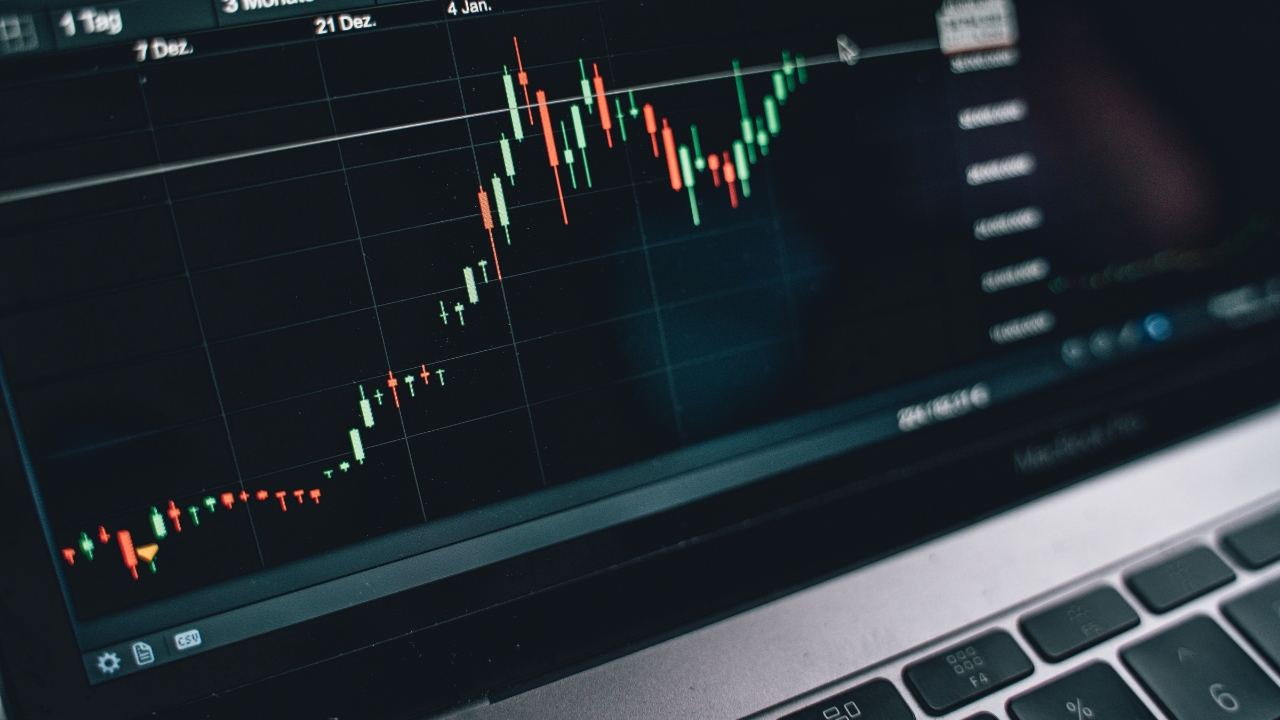
Understanding Market Volatility: An Introduction
At Meta Trade Master, we acknowledge the importance of comprehending market volatility in trading. Market volatility refers to the variation in the trading price series over time. It’s a measure of uncertainty or risk in the market. Understanding and effectively navigating market volatility is essential for traders seeking to optimize their strategies and capitalize on opportunities.
Analyzing the Factors Driving Market Volatility
Economic Indicators and Events
Economic indicators and events play a pivotal role in shaping market volatility. Factors such as GDP growth rates, inflation, interest rates, and geopolitical tensions can significantly impact market sentiment and drive price fluctuations across various asset classes.
Investor Sentiment and Behavioral Finance
Investor sentiment and behavioral finance also exert a substantial influence on market volatility. Emotions such as fear, greed, and uncertainty can lead to herd behavior and amplify market movements, creating both opportunities and risks for traders.
Technological Advancements and Algorithmic Trading
Technology has revolutionized financial markets, leading to algorithmic and high-frequency trading strategies. These technological advancements can exacerbate market volatility by facilitating rapid price changes and increasing trading volumes.
Strategies for Navigating Market Volatility
Diversification
Diversification is a fundamental risk management strategy that spreads investments across different asset classes to reduce exposure to any single risk factor. By diversifying their portfolios, traders can mitigate the impact of market volatility and enhance long-term stability.
Risk Management
Effective risk management is essential for navigating market volatility. Setting stop-loss orders, managing position sizes, and implementing hedging strategies can help traders limit potential losses and preserve capital during heightened volatility.
Technical Analysis
Technical analysis involves studying past market data, such as price and volume patterns, to identify potential trading opportunities. By leveraging technical indicators and chart patterns, traders can gain insights into market volatility and make informed decisions.
Fundamental Analysis
Fundamental analysis evaluates the underlying factors driving market prices, such as economic indicators, company earnings, and industry trends. Through thorough research and analysis, traders can better understand MV fundamental forces and identify undervalued or overvalued assets.
Embracing Market Volatility: The Meta Trade Master Approach
At Meta Trade Master, we empower traders to embrace MV as an opportunity for growth and innovation. Through our cutting-edge trading tools and comprehensive educational resources, we equip traders with the knowledge and insights needed to navigate dynamic market conditions successfully.
FAQs Market Volatility
What is market volatility?
Market volatility refers to the variation in the trading price series over time. It measures the rate at which prices change in the market and is often considered a gauge of uncertainty or risk.
Why is MV important for traders?
Understanding MV is crucial for traders as it influences trading activities’ potential risks and rewards. High levels of volatility can present both opportunities and challenges for traders, impacting their trading strategies and risk management approaches.
What factors contribute to MV?
Several factors contribute to MV, including economic indicators and events, investor sentiment, technological advancements, and geopolitical tensions. Changes in these factors can lead to fluctuations in market prices and increased volatility.
How can traders navigate MV?
Traders can navigate MV by implementing diversification, risk management, and technical and fundamental analysis. These approaches help traders manage risks, identify opportunities, and adapt to changing market conditions.
How does Meta Trade Master help traders deal with MV?
Meta Trade Master provides traders with advanced trading tools, educational resources, and expert insights to help them navigate MV effectively. By leveraging innovative technologies and comprehensive analysis, Meta Trade Master empowers traders to make informed decisions and optimize their trading strategies.
Is MV always negative for traders?
While high levels of MV can pose challenges for traders, they also present opportunities for profit and growth. Traders who can effectively analyze and adapt to MV can capitalize on price fluctuations and generate returns even in volatile market conditions.
Where can I learn more about managing MV?
You can learn more about managing MV through educational resources, online courses, and expert analysis provided by Meta Trade Master and other reputable sources in the financial industry.
Conclusion
Market Volatility is a pervasive aspect of financial markets that presents both challenges and opportunities for traders. Traders can thrive in today’s dynamic trading environment by understanding the factors driving MV and implementing effective risk management and analysis strategies.